Poly Western Trailblazer History
Honoring the courageous students who integrated Baltimore Polytechnic Institute and Western High School during the early years of desegregation in Baltimore City.
In 1952, Baltimore Polytechnic Institute became Maryland’s first public high school to racially integrate its student body.
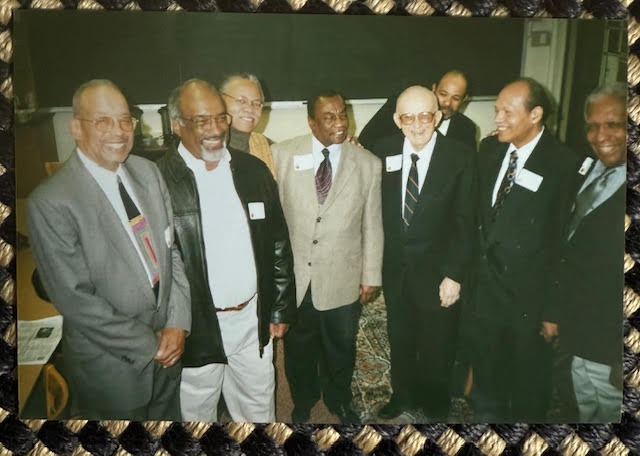
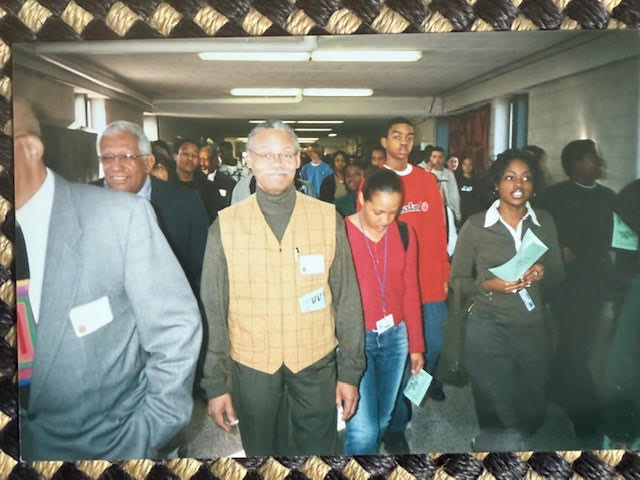
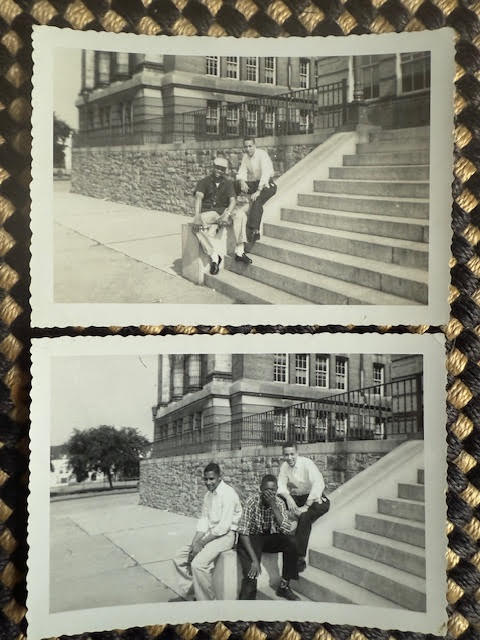
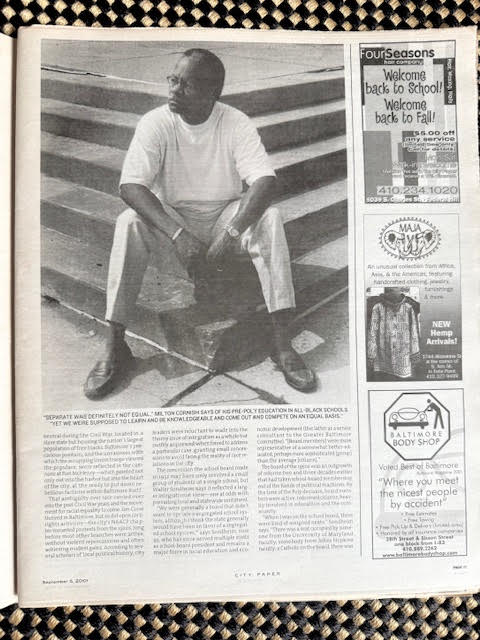
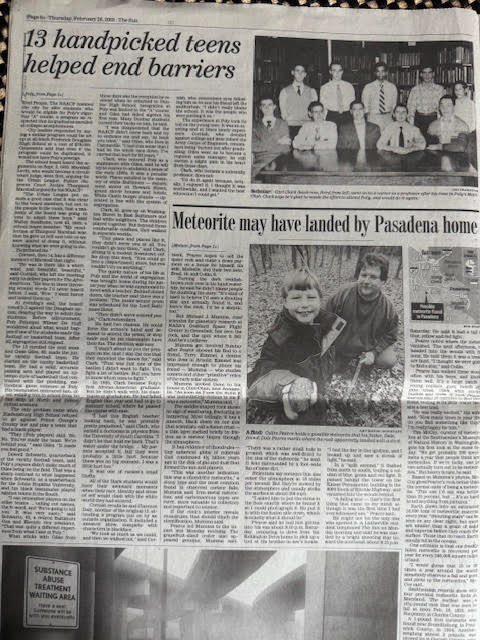
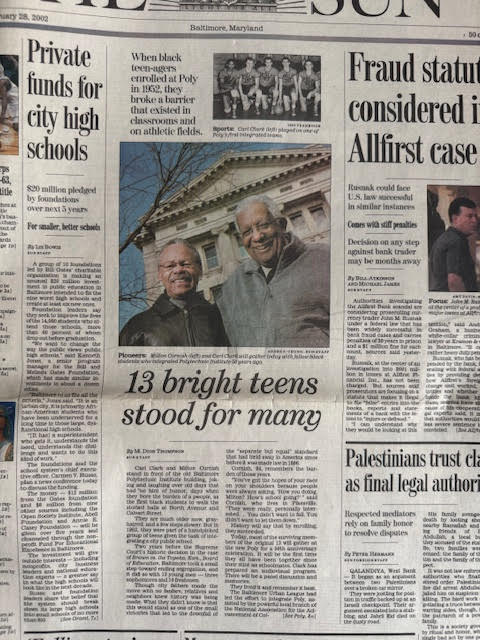
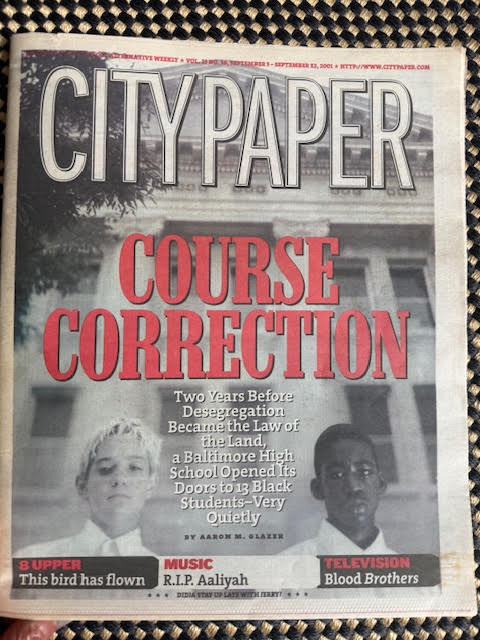
1952 Poly Trailblazers
The following headshots and biographical profiles are presented with the consent and collaboration of the Baltimore Polytechnic Institute (BPI) Alumni Association and the BPI Hall of Fame Committee. Friends of Poly-Western (FOPW) is deeply grateful for the Alumni Association’s partnership in helping recognize and preserve the legacy of these distinguished and courageous Poly Trailblazers who integrated Poly in 1952. Each of the individuals featured has also been honored with induction into the prestigious BPI Hall of Fame in recognition of their exceptional achievements, leadership, and enduring contributions to society and to the legacy of Baltimore Polytechnic Institute.
2004 BPI HoF
Carl Clark ‘55
2026 BPI HoF
Leonard Cephas ‘56
Milton Cornish, Jr. ‘56
Clarence Daly ‘56
Victor Dates ‘56
Odoch “Bucky” Hawkins ‘57
Linwood Jones ‘56
Edward Savage ‘57
Everett Sherman, Jr. ‘57
Silas Young ‘56
Additional Class Members
William Clark
Alvin Gene Giles
Robert Bruce Young
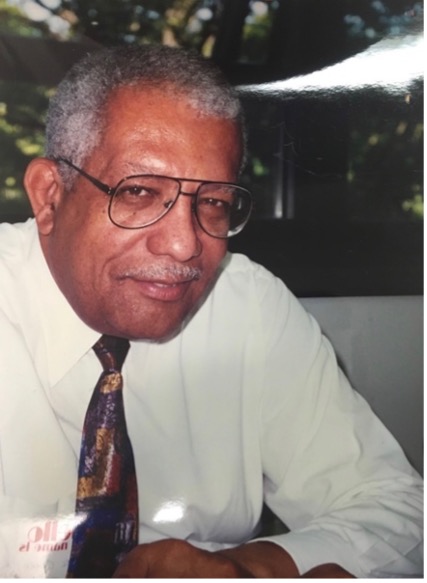
Dr. Carl O. Clark ‘55
Born in Savannah, GA, Carl O. Clark came to live in Baltimore by the time he was five. In grades one through nine, he attended Baltimore’s public but segregated school system. That changed in 1952 when Dr. Clark was one of the first thirteen African American students to enter Poly. Although he entered as a sophomore, he earned his A Course diploma in three years and in 1955 became Poly’s first African American graduate.
Dr. Clark earned a B.S. in Physics from Morgan State College (1958), an M.S. in Physics from Howard University (1961), and a PhD in Physics from the University of South Carolina (1976). Dr. Clark taught at Morgan, he served as chair of the Physics Department and assistant dean in the School of Mathematics and Physics.
Dr. Clark has been an active member of the American Association of Physics Teachers and the American Physical Society. In 1984, he received the Distinguished Service Award from the American Association of Physics Teachers.
In 2002, Dr. Clark returned to Poly to create an assembly celebrating the 50th anniversary of Poly’s integration, including a slide show about life in the segregated society of Baltimore in the 1950s and a panel presentation made up of other early Poly African American students. The audience was moved to be in the presence of men who had had such a profound impact on them and their world. This was one of the greatest gifts an alumnus could have given to his school and its current students.
Dr. Clark is a member of the Poly Hall of Fame due to his service and commitment to his alma mater.
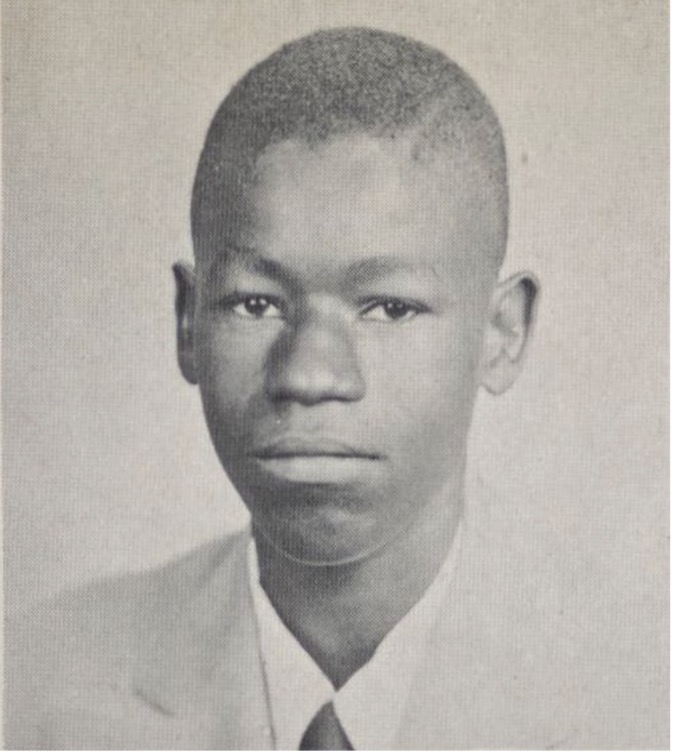
Leonard Cephas ‘56
Leonard Cephas entered Baltimore Polytechnic Institute in 1952 – changing the trajectory of engineers forever as one of the first African American men to attend and graduate from the school. His decision to attend Poly came two years ahead of the infamous Brown v. Board of Education ruling, making him a member of one of the pioneering groups to lead the charge of successfully integrating schools in the state of Maryland and the United States. Because of him and his peers, Poly was Maryland’s first public high school to racially integrate its student body.
Cephas graduated from Poly’s rigorous A-Course between 1956-1957. He became a Major in the United States Army and served our country in the Vietnam War.
Though the initial goal of integrating Poly was to pursue an incomparable education, they were pioneers before one of the most historical rulings in American history and ushered in a new demographic of successful students to continue building on Poly’s legacy of excellence. These men overcame doubts of their ability to complete such a rigorous course and questions of their motives for wanting to attend such a notable school.
These men were the leaders of making Poly what we know it to be today, a place that provides an unparalleled education regardless of demographics. These men are a true representation of Poly’s foundational pillars.
Milton Cornish, Jr. ‘56
Milton Cornish, Jr. entered the Baltimore Polytechnic Institute in 1952 after attending Booker T. Washington Middle School, in West Baltimore. He would end up helping to change the trajectory of engineers forever, as a member of the first group of African American men to attend and graduate from the school. His decision to attend Poly came two years ahead of the infamous Brown v. Board of Education ruling, making him part of one of the pioneering groups to lead the charge of successfully integrating schools throughout Maryland and the entire United States. Because of the bravery of him and the other men admitted alongside him, Poly was Maryland’s first public high school to racially integrate its student body.
Cornish graduated from Poly’s A-Course in 1956 and went on to have a successful career with the City of Baltimore, working with the Department of Planning. He also had a 36-year career with the Army Corp of Engineers, where he was a Project Manager for flood control navigation efforts and would later retire as the Chief of Emergency Management. Cornish is the father of four children, a son and three daughters, has five grandchildren and one great-grandchild.
While in pursuit of an incomparable education to which they previously had no access, these group of men became pioneers, before a landmark Supreme Court case ruling and ushered in a new demographic of successful students to continue building on Poly’s legacy of excellence. These young men successfully overcame doubts of their own ability and questions of their motives for wanting to attend such a school, to successfully complete the rigorous academic program.
Milton Cornish is a courageous leader, responsible for making Poly what we know it to be today and is the personification of Freedom, Responsibility, Perseverance, Achievement, Goodness, and Mercy.
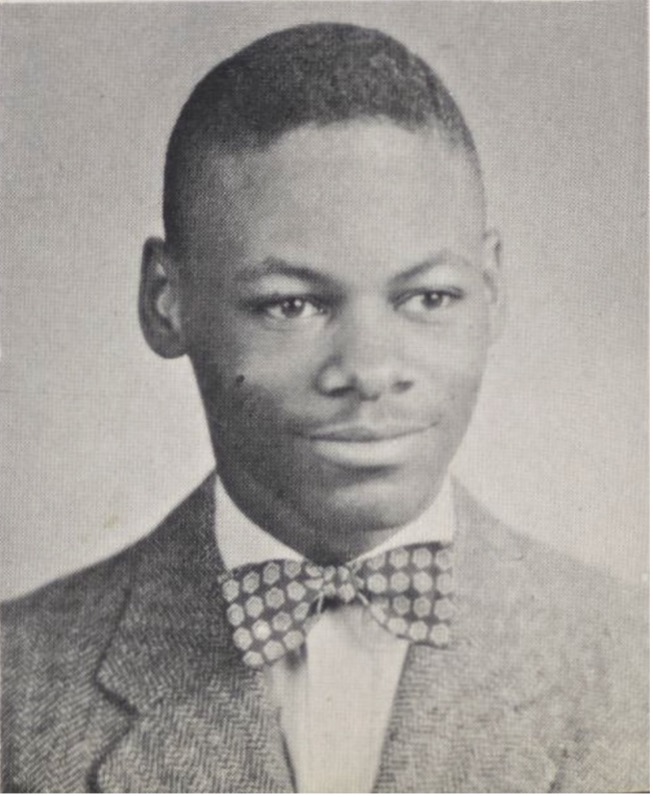
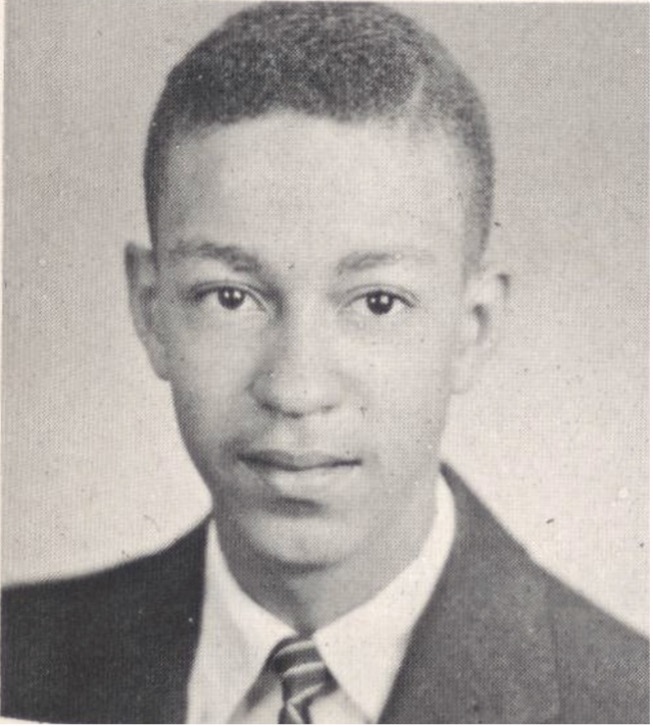
Clarence Daly ‘56
Clarence Daly entered Baltimore Polytechnic Institute in 1952 and helped change the trajectory of engineers forever, as a member of the first group of African American men to attend and graduate. The decision to attend Poly came two years ahead of the infamous Brown v. Board of Education ruling, making him part of one of the pioneering groups to lead the charge of successfully integrating schools in Maryland and eventually the entire United States. Because of Sherman and his peers, turned brothers, Poly was Maryland’s first public high school to racially integrate the student body.
Daly graduated from Poly’s A-Course program in 1956 and afterwards joined the United States Navy. After being honorably discharged in 1960, he took on the role as a Master Video Engineer at WJZ for 34 years, before retiring in 1997.
Though the initial goal of integrating Poly was to pursue an incomparable education, they were pioneers before one of the most historical rulings in American history and ushered in a new demographic of successful students to continue building on Poly’s legacy of excellence. These men overcame doubts of their ability to complete such a rigorous course and questions of their motives for wanting to attend such a notable school.
Clarence Daly was one of the trailblazers who made Poly what we know it to be today, a place that provides an unparalleled education regardless of demographics. He was a true representation of our core pillars and he, along with his peers, left an everlasting impact on this country and this institution.
Victor Dates ‘56
Victor Dates entered Baltimore Polytechnic Institute in 1952 and subsequently altered the trajectory of students of color forever, as he is one of the first African American men to attend and graduate from the school. His decision to attend Poly came two years before the infamous Brown v. Board of Education ruling, making him one of the trailblazers who lead the way in successfully integrating schools throughout Maryland and the entire country. Because of Dates and his peers, Poly was Maryland’s first public high school to racially integrate its student body.
Dates graduated from Poly’s rigorous A-Course in 1956 and had a very successful career spanning several years, in various industries. To name a few of his successes, he attended the Johns Hopkins University for his undergraduate studies, obtained a law degree from Georgetown University Law Center and also served two years in the U.S. Army. He later became the first African American to hold a “high administrative post” at Johns Hopkins University, as he reported on all civil rights and equal opportunity matters, directly to the President of the school. Dates was a professor at Howard University, Coppin State College and held leading roles within notable organizations like Planned Parenthood and Common Cause.
Victor Dates is a prime example of the necessity of access to adequate education for all and makes evident the power behind a Poly education. His story serves as proof of life’s possibilities when given the proper tools to thrive and also the possibilities that arise when shying away from a challenge is not an option. He overcame any doubts of his ability and helped usher in a new demographic of successful students to continue building on Poly’s legacy of excellence.
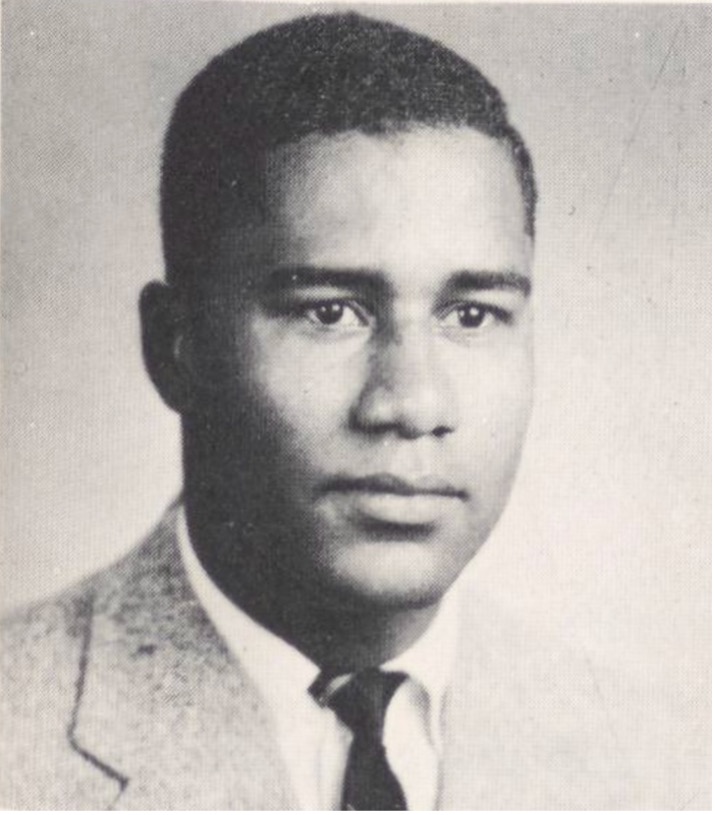
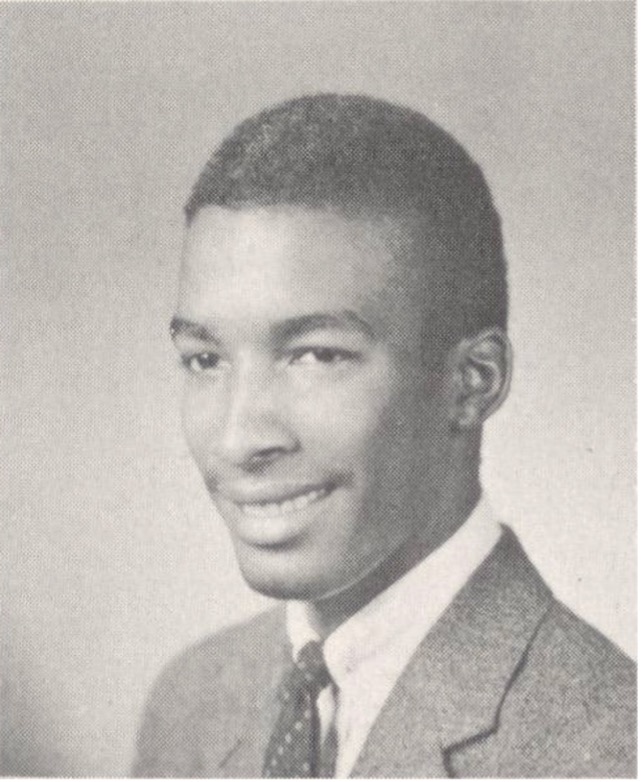
Odoch “Bucky” Hawkins ‘57
Odoch Hawkins, formerly Albert Hawkins, entered the Baltimore Polytechnic Institute in 1952 and unbeknownst to him would end up changing the institution forever. His decision to attend Poly came two years ahead of the infamous Brown v. Board of Education ruling, making him a key factor in successfully arguing for the integration of public schools.
Bucky graduated from Poly’s A-Course in 1957 and afterwards attended the University of Maryland, where he studied Chemical Engineering. He served in the Coast Guard, in active duty and also as a reservist. Odoch’s professional career started at the Social Security Administration, as a Computer Specialist, a role that kick-started his long career in software engineering.
In 1969, Odoch continued his work as a Lead Analyst/Programmer at the University of California and later as Director of Data Processing at the Berkeley Unified School District. He then worked for Blue Cross of California as Manager of Future Systems and Director of Applications Systems and Programming. He was the highest-ranking Black person to have a position at Blue Cross of California at that time.
In 1987, an opportunity as vice-president of several different departments for Transform Logic brought Odoch to Scottsdale, Arizona. He also worked for Knowledgeware Corporation, was Vice-President of Client Services at Viasoft Corporation and eventually, formed his own consulting firm, Hawkins Consulting - Enterprise Computer Consulting.
Odoch Hawkins believed that Poly shaped him as a person, by its rigorous studies as well as by his being part of the first group of young Black men to integrate the school. The discipline learned at Poly made him a person of high standards and served as a point of origin of his purpose to be a small but integral part in making the world a better place for all.
Linwood Jones ‘56
Leonard Cephas, Milton Cornish Jr., Victor Dates, Albert Hawkins, Linwood Jones, Edward Savage, Everett Sherman, and Silas Young entered Baltimore Polytechnic Institute in 1952 – changing the trajectory of engineers forever as the first group of African American men to attend and graduate. The decision to attend Poly came 2 years ahead of the infamous Brown v. Board of Education ruling, making them one of the pioneering groups to lead the charge of successfully integrating schools. Because of these men, Poly was Maryland’s first public high school to racially integrate the student body.
The men graduated from Poly’s rigorous A-Course between 1956-1957 and all went on to have successful careers in the fields of engineering, technology, and in the military. Each has attributed their success to the education that they received at Poly and the brotherhood formed from such a courageous decision.
Though the initial goal of integrating Poly was to pursue an incomparable education, they were pioneers before one of the most historical rulings in American history and ushered in a new demographic of successful students to continue building on Poly’s legacy of excellence. These men overcame doubts of their ability to complete such a rigorous course and questions of their motives for wanting to attend such a notable school.
These men were the leaders of making Poly what we know it to be today, a place that provides an unparalleled education regardless of demographics. These men are the personification of Freedom, Responsibility, Perseverance, Achievement, Goodness, and Mercy
.
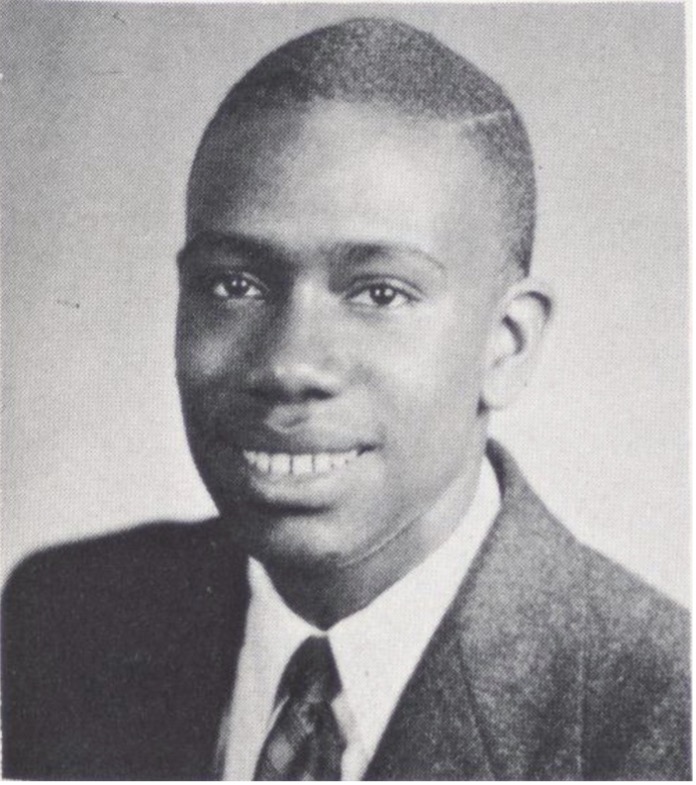
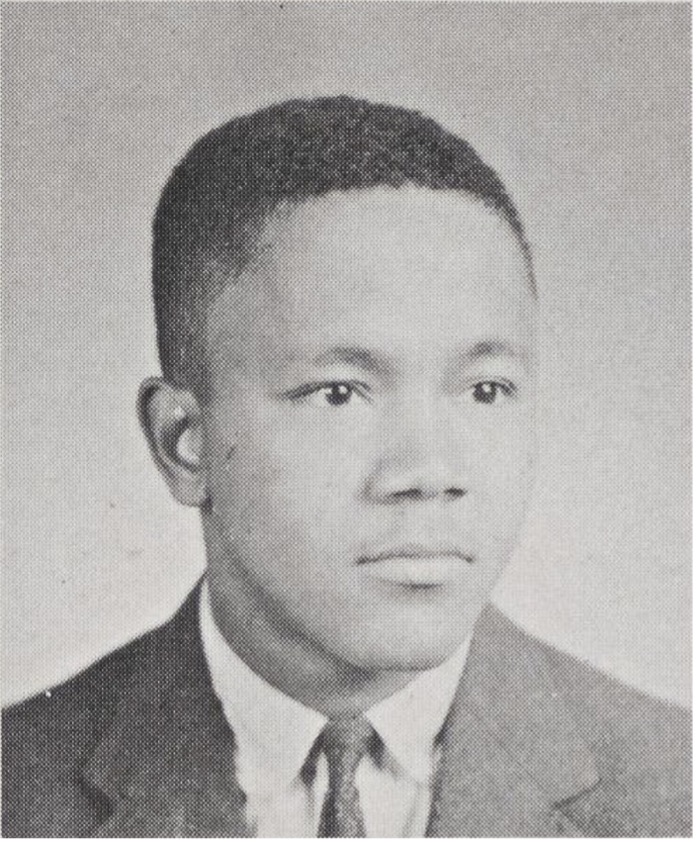
Edward Savage ‘57
Edward Savage entered Baltimore Polytechnic Institute in 1952 as part of the first group of African American men to attend and graduate from the school. His decision to attend Poly came two years before the Supreme Court’s decision of the infamous Brown v. Board of Education case to desegregate public schools. Because of Savage and his peers, Poly was Maryland’s first public high school to racially integrate the student body.
Savage graduated from Poly’s A-Course program in 1957 and went on to work for the City of Baltimore, as a draftsman, and at various MEP consulting firms. Aside from his career in engineering, he was a successful artist, a semi-pro player for the Baltimore Rams, a football coach, musician and sous chef. He married his wife, Glady’s, who was a member of the first integrated class of Eastern high school and together they had two children.
Though the initial goal of integrating Poly was to pursue an incomparable education, they were pioneers before one of the most historical rulings in American history and ushered in a new demographic of successful students to continue building on Poly’s legacy of excellence. These men overcame doubts of their ability to complete such a rigorous course and questions of their motives for wanting to attend such a notable school.
These men were the leaders of making Poly what we know it to be today, a place that provides an unparalleled education regardless of demographics. These men are Freedom, Responsibility, Perseverance, Achievement, Goodness, and Mercy – personified.
Everett Sherman, Jr. ‘57
Everett Sherman entered Baltimore Polytechnic Institute in 1952 – changing the trajectory of engineers forever as a member of the first group of African American men to attend and graduate from the school. The decision to attend Poly came two years ahead of the infamous Brown v. Board of Education ruling, making him part of one of the pioneering groups to lead the charge of successfully integrating schools. Because of Sherman and his peers, Poly was Maryland’s first public high school to racially integrate the student body.
Sherman graduated from Poly’s rigorous A-Course between 1956-1957 and despite having to do extra work to fill an academic gap, went on to have a successful career in local government, engineering and the military. He became one of the first Black employees of the Baltimore City Department of Transit and Traffic and also served in the United States Air Force. He graduated with a degree in Math, with Honors, from Morgan State University, worked as a Senior Engineer at General Telephone and Electronics-Sylvania and, finally, as a Project Manager at the Pentagon, for Sytex. Like other members of this initial group of men, Sherman attributed his success to the education that he received at Poly and the brotherhood formed from the courageous decision to attend.
Though the initial goal of integrating Poly was to pursue an incomparable education, they were pioneers before one of the most historical rulings in American history and ushered in a new demographic of successful students to continue building on Poly’s legacy of excellence. These men overcame doubts of their ability to complete such a rigorous course and questions of their motives for wanting to attend such a notable school.
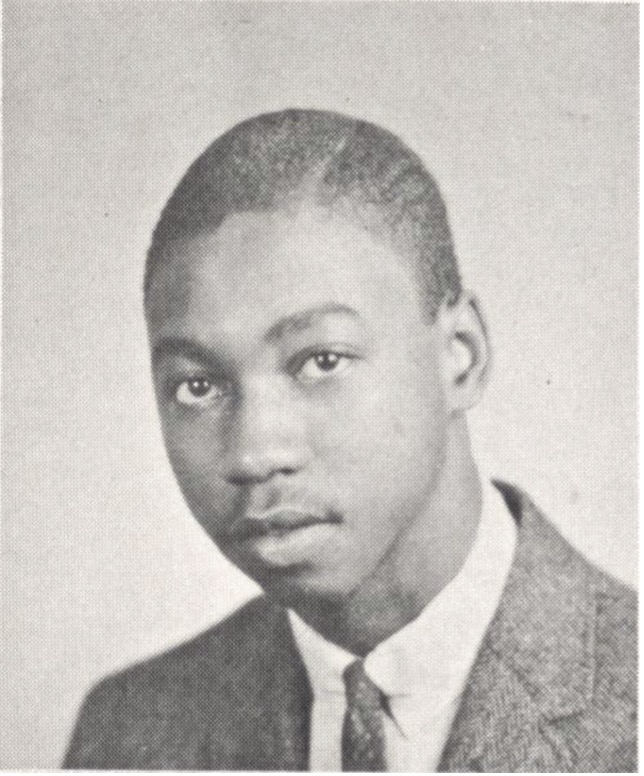
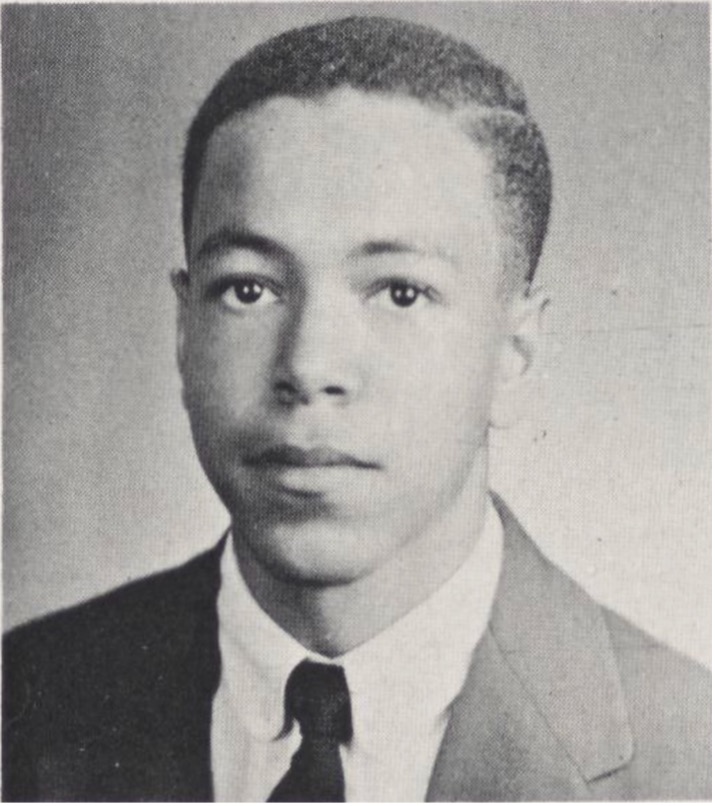
Silas R. Young ‘56
Silas Young’s admission to the Baltimore Polytechnic Institute in 1952 helped pave a path for engineers forever, as he was a member of the first group of African American men to attend and graduate from the school. His decision to attend Poly came two years before the infamous Brown v. Board of Education supreme court ruling, making him part of a pioneering group that led the charge to successfully integrate schools in Maryland and the entire United States. Because of Sherman and his peers, Poly was Maryland’s first public high school to racially integrate its student body.
Sherman graduated from Poly’s strenuous A-Course in 1956 and afterwards went to Howard University. He was a veteran of the U.S. Army and served our country during the Vietnam war. He later was employed by the US Postal Service, Western Electric, AT&T and Lucent Technology, before retiring in 1992.
Similar to many, Silas Young decided to attend Poly to pursue an incomparable education but, in his case, joined a group of pioneers before one of the most historical rulings in American history. Young aided in ushering in a new demographic of successful students to continue building on Poly’s legacy of excellence. This group of men not only overcame doubts of their own ability to complete such a rigorous academic program, but they also countered the belief that certain groups of people were inherently incapable because of the color of their skin.
1954 Western Trailblazers
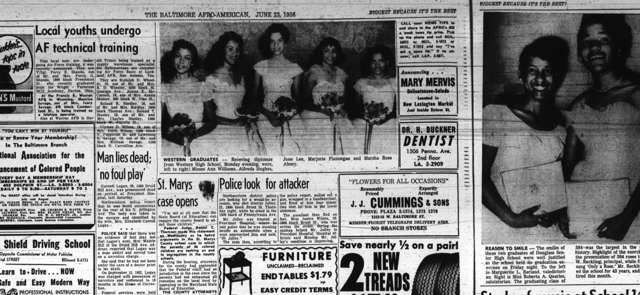
The following information was obtained through research by the Friends of Poly-Western (FOPW) Team, newspaper articles, and interviews with Monique Cox from the Western High School Foundation staff, as well as interviews with Dr. Iantha Lake Tucker and Dr. Janette Lake Dates. FOPW is deeply appreciative of the information, help and support from Dr. Tucker and Dr. Dates as we recognize and preserve the legacy of the distinguished and courageous Western Trailblazers who integrated Western in 1954. Their tremendous achievements, leadership, and impact not just in Baltimore, Maryland, but also around the world. Their contributions are a testament to their commitment to make a difference in society and to the legacy of Western High School.
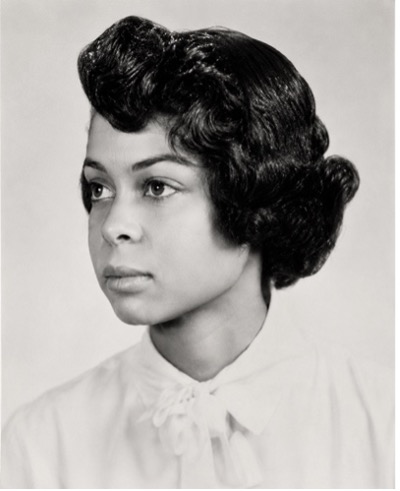
Ann Williams
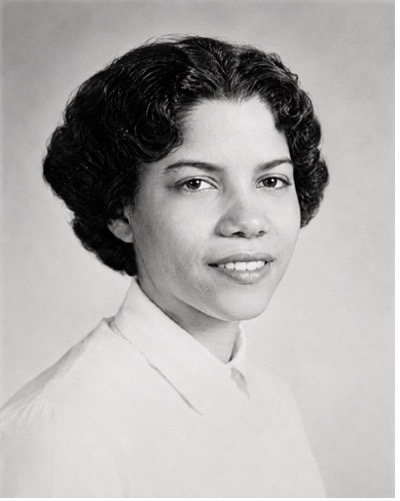
June Lee
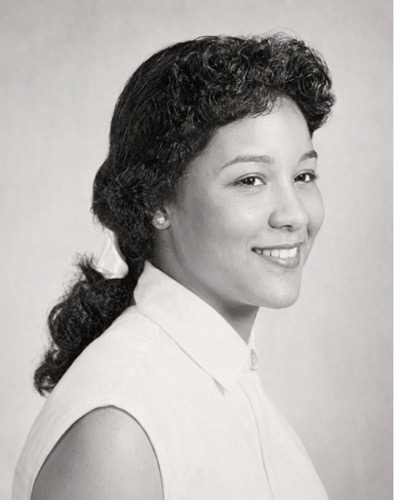
Alfreda Hughes
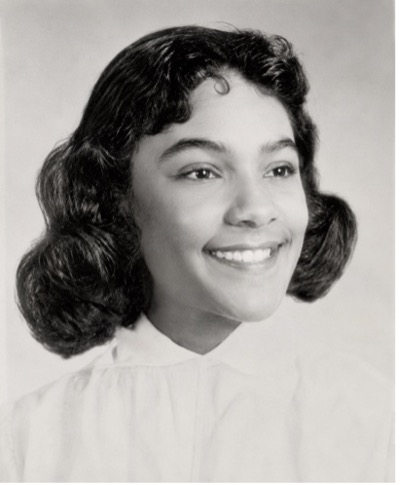
Marjorie Ann Flanagan
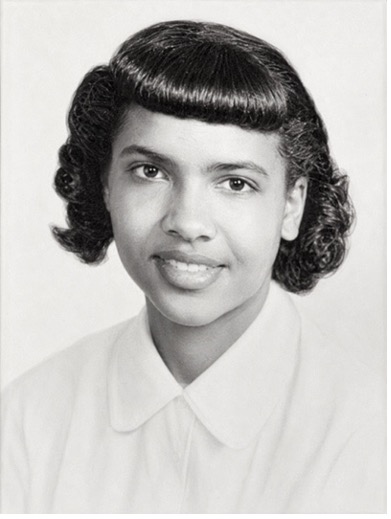
Marsha Abney
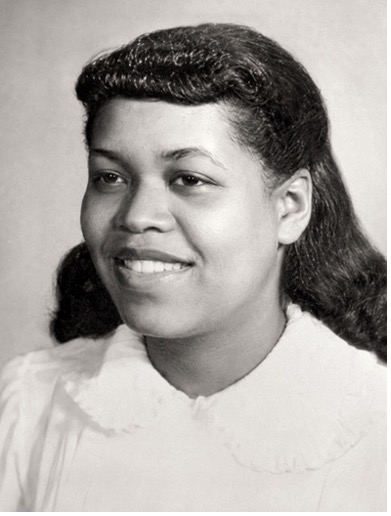
Dr. Iantha Lake Tucker
Iantha Lake Tucker emerged as a woman of resilience, courage, and determination during one of the most transformative periods in American history. Inspired by the landmark Brown v. Board of Education decision, she became one of fourteen young African American women who courageously integrated Western High School in the mid-1950s, entering an environment marked by hostility, protests, and racial tension. Despite discouragement from school officials and the challenges of integration, Iantha remained steadfast in her pursuit of academic excellence, supported by the unwavering encouragement of her mother.
Graduating from Western in 1957, Iantha pursued nursing at Harlem Hospital School of Nursing before returning to Baltimore, where she became the only Black operating room nurse at St. Agnes Hospital. Facing racial discrimination from patients and colleagues alike, she refused to compromise her dignity and later continued her career at Johns Hopkins Hospital, where her professionalism and talents were embraced.
In 1962, Iantha joined the Air Force Reserve and served for ten years at Andrews Air Force Base, earning an honorable discharge. Throughout her life, however, her passion for dance remained central to her identity. While working as a nurse, she attended Morgan State College, earning a Bachelor’s degree in Physical Education with a concentration in dance, followed by a master’s degree in 1972.
Iantha devoted much of her career to education and the arts, teaching in Baltimore-area schools and founding student dance performance groups that inspired generations of young people. Her commitment to cultural expression and excellence continued through her work with Delta Sigma Theta Sorority, Incorporated, where she choreographed cotillions for nearly three decades.
Never one to stop learning, Iantha enrolled at New York University in 1982 and earned a Doctor of Education (Ed.D.) in Dance Education. Her dissertation, “The Role of African Americans in Dance from Slavery to the Present,” reflected her lifelong dedication to preserving and celebrating Black artistic contributions.
Dr. Iantha Lake Tucker’s life stands as a powerful testament to courage, perseverance, education, and service. As a trailblazer in school integration, healthcare, education, and the arts, her legacy continues to inspire future generations.
Article/Links:
CBS News Article (Effort to preserve history of the nation's oldest public all-girls high school underway in Baltimore, Monique Cox referenced the first 9 to integrate in 1955)